Joyhann presents a structured, step‑by‑step approach to establishing a high‑performance Individually Ventilated Caging (IVC) platform purpose‑built for biocontainment. Our system integrates precision‑engineered caging, automated washing infrastructure, and validated workflow protocols into a cohesive biocontainment envelope. Each step is designed to maintain directional airflow, prevent cross‑contamination between cages and racks, and ensure reproducible sanitation—from soiled cage receipt to clean, protected animal housing. The following steps represent the logical progression of cage processing and biocontainment management. Every Joyhann product is embedded within this flow, not as standalone equipment, but as a critical component of an integrated system.
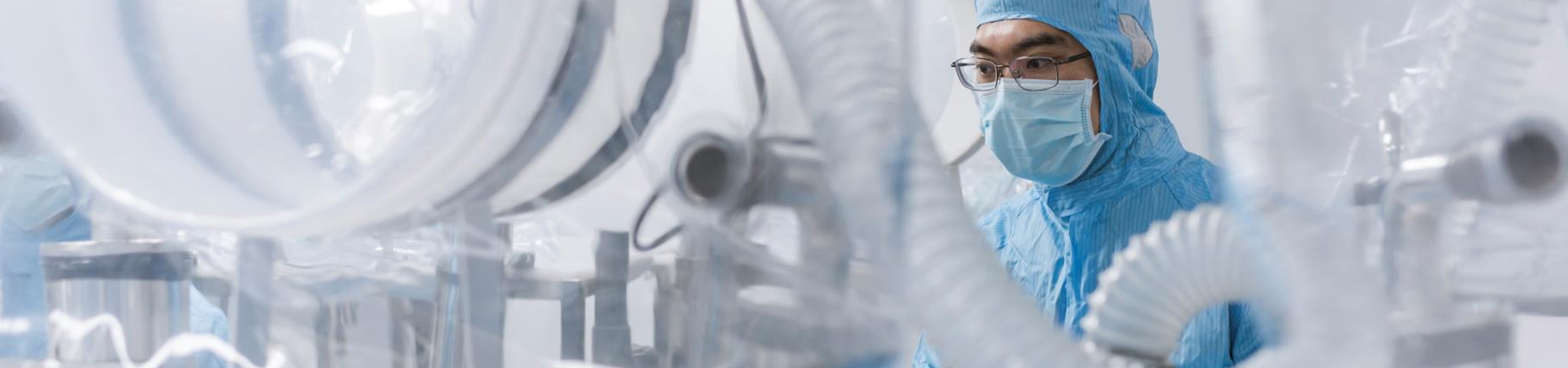
Objective: Contain contaminated bedding and organic debris at the point of origin, preventing aerosolization and cross‑contamination during transit to the washing area.
Soiled cages are removed from IVC racks within the animal holding room using a unidirectional workflow that separates clean and dirty operations. Cages are transferred directly into sealed transport containers or closed‑body carts designed to maintain containment during movement. The Transport & Storage containers feature gasketed lids, smooth interior surfaces to prevent debris entrapment, and clearly demarcated biohazard indicators.
Workflow Integration: Carts interface with the washing area through a pass‑through configuration, allowing soiled cages to be introduced without entering the clean processing zone. This physical separation is fundamental to biocontainment protocols.
Technical note: All transport surfaces are constructed from chemical‑resistant, non‑porous materials compatible with routine decontamination. Locking casters ensure stability during movement, and color‑coded components distinguish soiled from clean logistics streams.
Objective: Achieve validated cleanliness and thermal disinfection of cages, bottles, and components through a fully automated, reproducible process.
Soilied cages, lids, bottles, and feeder assemblies are loaded into the Animal Cage & Bottle Washer—a pass‑through design that enforces unidirectional flow from the contaminated side to the clean assembly area. Programmable cycles comply with applicable standards for animal facility sanitation, incorporating multiple phases: pre‑rinse with cold water to remove bulk debris; enzymatic or alkaline wash with temperature‑controlled detergent injection (up to 85°C); intermediate rinse; thermal disinfection (hold at 82–93°C with defined A0 values); and final purified water rinse to eliminate residue and mineral spotting.
Animal Cage & Bottle Washer: Chamber configurations accommodate standard IVC cages, lids, and automatic watering components. High‑velocity spray arms with redundant coverage ensure all internal and external surfaces are reached. Integrated conductivity monitoring verifies rinse water quality, while data logging records cycle parameters—temperature, pressure, wash phase durations—for batch traceability and regulatory compliance.
Drying Cabinet: Following washing, components are transferred to the adjacent Drying Cabinet. HEPA‑filtered air (ISO Class 5) circulates at programmable temperatures (70–90°C) with real‑time humidity sensors, ensuring complete dryness before reassembly. Complete drying is critical for preventing bacterial proliferation and maintaining the integrity of IVC filtration membranes.
Technical note: The washer incorporates dual detergent reservoirs for alternating between alkaline and acid washes, accommodating both heavily soiled cages and delicate water bottles with mineral scale buildup.
Objective: Assemble clean, dry cages with appropriate bedding and enrichment, then integrate them into the IVC system without compromising the biocontainment barrier.
In a positive‑pressure clean assembly zone (ISO Class 7 or better), staff work at ergonomic workstations designed for animal facility workflows. Clean cages are filled with autoclaved or irradiated bedding, and water bottles are fitted with sipper tubes and seals. Animal Cages & Equipment—including lids with integrated filter tops—are inspected for integrity before placement onto IVC racks.
IVC System: The core biocontainment platform consists of rack‑mounted blower units providing HEPA‑filtered supply and exhaust air to each individual cage. Key specifications:
Technical note: The IVC system supports multiple cage sizes within a single rack, allowing flexible housing configurations. Quick‑disconnect water fittings enable automatic watering integration without compromising the sealed environment.
Objective: Maintain a secure biocontainment environment throughout the animal housing period, with minimal disturbance to cage‑level integrity.
Animals are housed in individually ventilated cages that function as independent containment units. The IVC system operates under negative pressure relative to the room when biocontainment protocols are active, ensuring any airborne contaminants are captured by the rack‑level exhaust HEPA filters. Cage changes are performed using a transfer station or within a biosafety cabinet to maintain containment during routine husbandry.
Cage‑Level Sealing: Gasketed cage lids create a pressure‑sealed interface with the rack docking ports. Audible and visual indicators confirm proper engagement.
Alarm Systems: Continuous monitoring of supply and exhaust airflow; audible alarms activate upon deviation from set parameters, alerting staff to potential breaches.
Data Integration: Rack controllers log operational data—airflow rates, filter status, alarm events—which can be exported to facility management systems for audit trails and predictive maintenance.
Workflow Integration: Clean cages prepared in Step 3 are introduced to the animal holding room via a dedicated clean corridor, separate from the soiled retrieval pathway. This unidirectional flow eliminates cross‑over contamination risks.
Technical note: The IVC system is compatible with automated watering systems, reducing the frequency of cage opening and further minimizing contamination risk during routine maintenance.
Objective: Provide continuous verification of the biocontainment envelope through integrated monitoring and seamless connection to facility infrastructure.
The IVC platform is not an isolated system but an integral component of the broader animal facility biocontainment strategy. Joyhann’s approach includes:
Technical note: All IVC racks are equipped with standardized connection points for facility BMS, enabling centralized monitoring of environmental parameters across multiple rooms and racks from a single interface.
Objective: Render all contaminated bedding, disposable components, and waste biologically inert before disposal, ensuring no environmental release of hazardous materials.
Used bedding and disposable enrichment items collected during cage changes are transported in sealed containers to the waste processing area. Joyhann’s integrated biocontainment solution includes terminal sterilization capabilities:
Medical Waste Steam Sterilizer: A dedicated pass‑through autoclave designed specifically for animal facility waste. Chamber sizes accommodate bulk bedding containers or entire soiled cage racks. Programmable cycles achieve sterilization parameters validated for animal bedding matrices, with vacuum phases to ensure steam penetration through dense organic loads.
Shredder: For facilities requiring volume reduction, an integrated shredder processes sterilized waste, reducing disposal volume while maintaining containment. Units are configured with interlocked loading systems to prevent exposure to untreated waste.
Belt Conveyor: Automated transfer systems connect the soiled holding area to the sterilizer loading platform, minimizing manual handling and reducing personnel exposure to contaminated materials. Conveyors are constructed with removable, autoclavable surfaces for routine decontamination.
Workflow Integration: The waste sterilization zone is physically separated from clean housing and cage processing areas, with strict unidirectional flow. Sterilized waste exits through a dedicated door, eliminating any cross‑contamination pathway back into the facility.
Technical note: All waste processing equipment features HEPA‑filtered exhaust and negative‑pressure containment during loading operations, preventing aerosol release during transfer.
Objective: Provide the tools and protocols to verify that every biocontainment and sanitation step consistently meets defined specifications.
Biocontainment integrity depends on rigorous, routine validation. Joyhann embeds a comprehensive validation framework into the IVC platform:
Airflow Verification: Annual certification of IVC racks includes supply and exhaust airflow measurements, HEPA filter integrity testing (DOP/PAO aerosol challenge), and cage‑level differential pressure verification. Ports for standard testing equipment are integrated into rack designs.
Biological Indicators for Washer Validation: Geobacillus stearothermophilus spores (≥10⁶ per carrier) placed in challenging locations—within sipper tubes, under cage lids, in bottle threads—to verify thermal disinfection cycles achieve ≥6 log reduction.
Sterilization Validation: For waste autoclaves, biological indicators embedded within simulated bedding loads confirm sterilization parameters. Vacuum integrity, temperature uniformity, and cycle lethality are documented during IQ/OQ/PQ.
Environmental Monitoring: Routine surface sampling and air sampling protocols verify the effectiveness of clean assembly zone controls and the absence of cross‑contamination between soiled and clean pathways.
Documentation & Traceability: All equipment—washers, dryers, IVC racks, autoclaves—feature data logging capabilities. Cycle records, alarm events, and validation data are exportable to facility information systems, supporting regulatory inspections (AAALAC, OLAW, institutional biosafety committees) and continuous quality improvement.
Technical note: Joyhann’s service team provides on‑site validation support, training facility staff in statistical process control, and maintains calibration records for all critical instrumentation.
Subscribe to receive exclusive insights and priority updates from Joyhann. Elevate your practice with our curated intelligence.
© Nortek HealthCare Group Ltd., 2009-2026. All rights reserved.
This site operates under the laws of the People's Republic of China. Your access and use constitute acceptance of these Terms of Use and our Privacy Policy. All content is governed by our Privacy Notice. For details or inquiries, please Contact Us or use the site's search function.