Joyhann presents a structured, multi‑layer approach to integrating high‑performance antibacterial vinyl flooring as a foundational element of infection prevention. Our solution moves beyond passive surface materials, transforming the floor into an active component of environmental hygiene. By combining advanced material science with validated cleaning protocols and seamless integration with critical care infrastructure, this system reduces bioburden, prevents cross‑contamination, and supports the stringent hygiene requirements of modern healthcare facilities. The following steps represent the logical progression from specification to long‑term maintenance, embedding Joyhann’s flooring within a comprehensive infection control strategy.
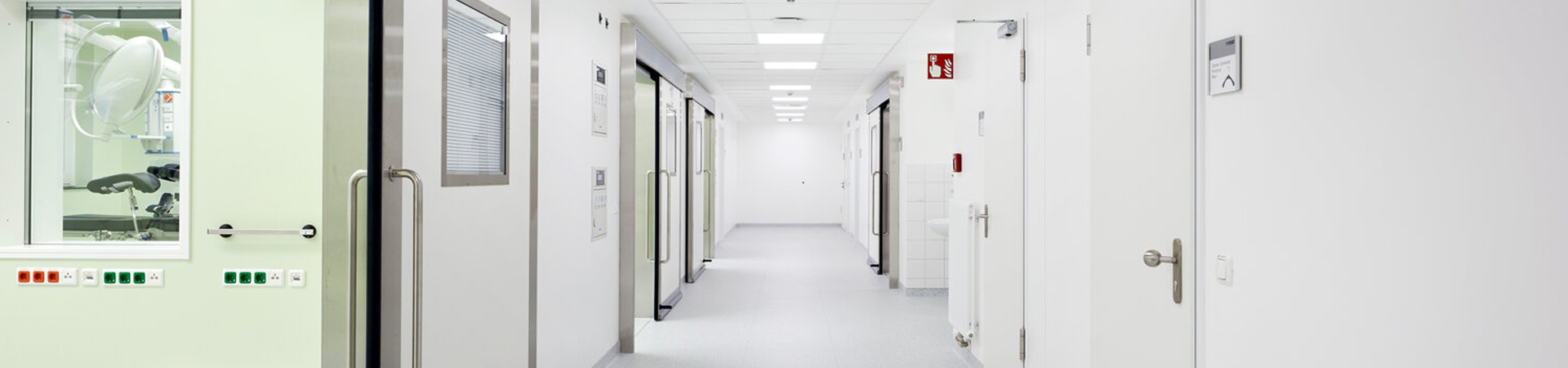
Objective: Establish a flooring substrate that provides continuous, non‑leaching pathogen reduction from day one.
The foundation of effective environmental control is the surface itself. Joyhann’s antibacterial vinyl flooring is manufactured with silver‑ion or zinc‑pyrithione technology integrated homogeneously throughout the wear layer. Unlike topical coatings that degrade over time, this built‑in additive disrupts bacterial cell membranes and inhibits microbial replication on the surface. This achieves a sustained ≥99.9% reduction in common healthcare‑associated pathogens—including MRSA, VRE, and E. coli—without contributing to antimicrobial resistance.
Technical Note: The material complies with ISO 22196 (antimicrobial surface testing) and is Class Bfl‑s1 fire‑rated, ensuring safety in high‑risk environments.
Objective: Eliminate structural harborage points and create a monolithic surface that supports strict contamination control.
The antibacterial efficacy of the material is only as reliable as its installation. Joyhann’s flooring is installed using heat‑welded seams, creating a fully watertight and airtight surface. The material is coved up the wall (minimum 75–100 mm) to form a sanitary base that eliminates the traditional right‑angle joint between floor and wall—a common site for moisture, dust, and pathogen accumulation.
Technical Note: Installation includes full substrate testing for moisture and pH levels, followed by a certified weld‑grinding process to achieve a flush, impervious surface. This preparation supports the operational integrity of adjacent equipment like Washer‑Disinfectors and Sterilizers, where floor drainage and leveling are critical.
Objective: Define validated cleaning regimens that preserve material integrity while maximizing pathogen kill rates.
A high‑performance surface requires a commensurate hygiene protocol. Joyhann provides a chemical compatibility matrix that aligns cleaning agents with the flooring’s wear layer, ensuring that daily and terminal cleaning cycles do not degrade the antibacterial additive or surface finish. The flooring is designed to withstand frequent application of hospital‑grade disinfectants—including hydrogen peroxide, quaternary ammonium compounds, and chlorine‑based solutions—without discoloration or loss of slip resistance.
Technical Note: Slip resistance (R10 or higher) is maintained throughout the product’s life, ensuring safety for staff moving heavy Transport & Storage carts and mobile medical equipment such as Ultrasound Cleaning Systems and IVC Systems in research areas.
Objective: Implement a system to continuously verify that the flooring contributes effectively to the facility’s overall infection control metrics.
Environmental hygiene must be validated, not assumed. Joyhann supports the integration of the antibacterial flooring into a facility’s Validation / Testing program. Using standardized surface sampling techniques (e.g., RODAC plates or ATP bioluminescence), infection control teams can quantitatively assess the flooring’s sustained performance as part of routine environmental monitoring.
Technical Note: Joyhann provides guidance on establishing sampling sites and frequency, ensuring the flooring’s performance is documented as part of the facility’s continuous improvement process—mirror the traceability standards applied to Sterilization Bag & Wrap and Heat Sealer operations.
Objective: Ensure the flooring maintains its hygienic and structural performance throughout the facility’s operational life.
Infection control surfaces must endure the rigors of a 24/7 healthcare environment. Joyhann’s antibacterial vinyl flooring is engineered for high‑traffic zones, with a reinforced construction that resists indentation from heavy medical equipment—including MRI gurneys, Radiography mobile units, and Orthopedics traction frames. The material is also resistant to staining from common clinical agents, including iodine, betadine, and blood.
Technical Note: A 10‑year warranty is provided covering both wear layer integrity and antibacterial performance, subject to adherence to recommended maintenance protocols. This lifecycle guarantee aligns with the long‑term reliability expected from Joyhann’s core equipment portfolio, including Medical Waste Steam Sterilizers, Animal Cage & Bottle Washers, and Hospital Door systems.
Subscribe to receive exclusive insights and priority updates from Joyhann. Elevate your practice with our curated intelligence.
© Nortek HealthCare Group Ltd., 2009-2026. All rights reserved.
This site operates under the laws of the People's Republic of China. Your access and use constitute acceptance of these Terms of Use and our Privacy Policy. All content is governed by our Privacy Notice. For details or inquiries, please Contact Us or use the site's search function.